When you step into an HR role, you rarely inherit a clean, organized system. More often, you’re handed scattered files, inconsistent processes, and a whole lot of “we’ve always done it this way.” The good news? You don’t need a complicated setup to run HR well. You just need a clear, intentional foundation.
This guide walks you through the best way to begin building your HR system, even if you’re starting from scratch.
Create One Single Source of Truth
Before you organize anything, choose one home for your HR documents and processes. This can be SharePoint, Google Drive, Dropbox, or your HRIS document library. The platform matters less than the consistency.
Your goal is simple: Everyone knows exactly where to find what they need.
A single source of truth eliminates confusion, reduces duplicate files, and saves hours every week.
Start With Your Core HR Categories
A strong HR system begins with structure. Build your foundation using these essential categories:
- Employee Files
- Payroll
- Onboarding
- Policies & Handbook
- Compliance
- Performance & Training
Everything you store or create should fit into one of these buckets. If it doesn’t, that’s your signal to refine your structure or create a new category.
Build Clear, Consistent Folder Structures
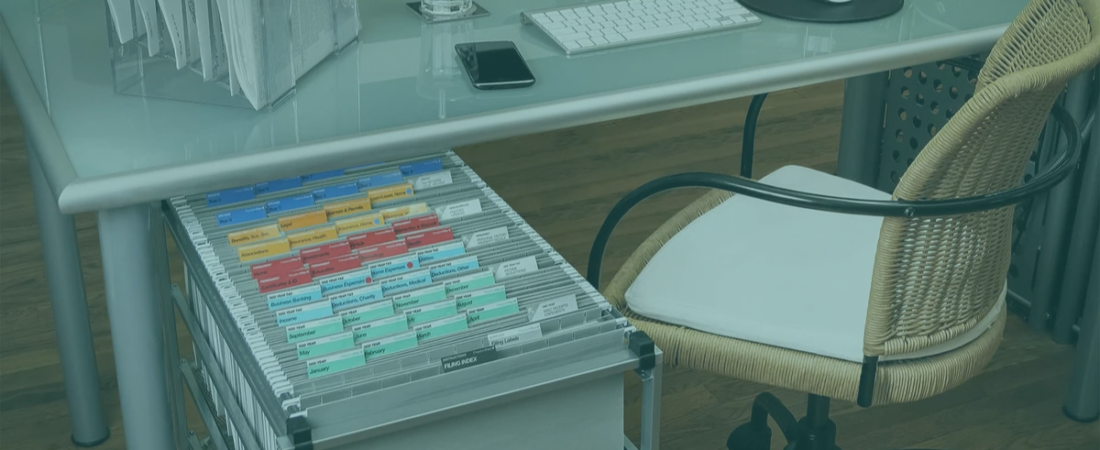
Once your categories are set, create folders that make sense to someone who has never seen your system before.
For example, inside Employee Files, include folders like:
- Hiring Documents
- Payroll & Compensation
- Performance
- Benefits
- Separation
Inside Onboarding, include:
- New Hire Checklist
- Orientation Materials
- Required Forms
- Manager Guides
Consistency is key. If one employee file has a “Performance” folder, every employee file should have a “Performance” folder.
Document Your Processes Early
Your HR system is only as strong as the processes behind it. Start documenting your workflows now, even if they’re not perfect yet.
Capture simple steps for:
- Onboarding
- Payroll changes
- Employee file creation
- Performance documentation
- Offboarding
You can refine these later. The important part is getting the process out of your head and into a repeatable format.
Build Your Compliance Foundation From Day One
Compliance protects your organization and keeps your HR system audit‑ready.
Start with:
- Document retention rules
- Required federal and state postings
- Handbook acknowledgments
- I‑9 storage and audit readiness
- Annual reporting requirements
When compliance is organized, everything else becomes easier: onboarding, offboarding, payroll, and audits.
Create Templates for Anything You Do More Than Once
Templates save time, reduce errors, and create consistency across your HR system.
Start with:
- Onboarding checklists
- Offer letters
- Payroll change forms
- Performance documentation forms
- Offboarding checklists
- Manager communication templates
These become the tools that keep your system running smoothly.
Build With Scalability in Mind
Your HR system should work today, but it should also grow with your organization.
Ask yourself:
- Can this structure support 50 employees?
- What about 200?
- Will managers be able to use this without HR’s help?
- What happens when we add another location?
If your system only works when you manage it, it’s not scalable. Build it so anyone can navigate it confidently.
Keep It Simple
The best HR systems are simple, predictable, and easy to maintain.
Avoid:
- Over‑nested folders
- Multiple versions of the same document
- Storing files in multiple locations
- Processes no one will follow
Your system should feel clean, intuitive, and calm, not overwhelming.
Review and Improve Regularly
Your HR system is a living structure. Set a recurring reminder to review:
- Folder organization
- Outdated documents
- Broken links
- Missing templates
- Compliance deadlines
- Process gaps
Small improvements over time create a strong, reliable system.
Final Takeaway
Starting your HR system doesn’t have to be overwhelming. Focus on building a clear structure, documenting your processes, and creating consistency across everything you touch. When your system is organized, HR becomes easier, faster, and far more strategic.
Progress matters more than perfection.